
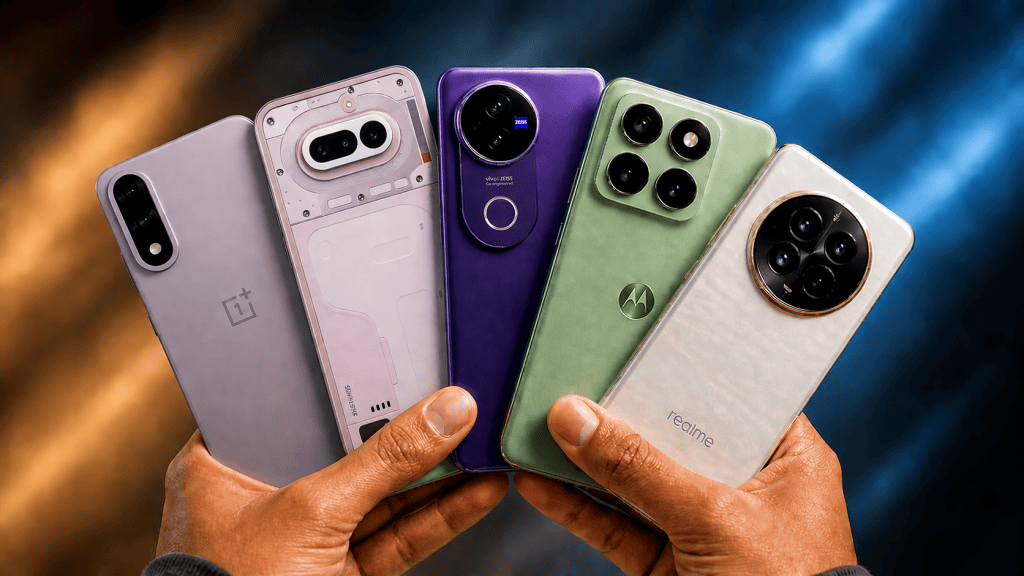
The smartphone market in 2026 has become increasingly complex—especially for buyers in the ₹30,000 segment. What was once considered the upper mid-range category has now shifted, with many of those devices moving closer to 35K–40K due to rising component costs and supply chain challenges.
If you’re also exploring higher budgets, you can check out my recommendations on the top premium all-rounder smartphones under ₹40,000 for a broader comparison.
As a result, the ₹30,000 segment now sits firmly in the true mid-range category. At the same time, phones under ₹25,000 no longer consistently deliver what most users would expect from a well-rounded mid-range experience, making this segment more important than ever.
That doesn’t mean options are bad—far from it. There are still plenty of choices available, but finding a truly well-balanced smartphone—one that gets performance, camera, battery, and software right—is becoming more challenging. Out of the many devices available in this price range, only a handful genuinely stand out.
In this guide, I’ve shortlisted the best well-rounded smartphones under ₹30,000 that offer the right balance of performance, camera quality, battery life, and overall usability, helping you make a smarter buying decision.
Selection Criteria:
- Focused on smartphones launched in 2025 and later.
- Also considered select Samsung devices from 2024 due to their strong long-term software support.
- Required a good quality AMOLED/OLED display, and min 120Hz refresh rate.
- At least a dual-camera setup, with an ultra-wide or telephoto lens for versatility.
- Avoided phones with relatively weak processors for this price range (e.g. lower mid-range chipsets like Dimensity 7300 class).
- Focus was also placed on practical features such as NFC support, an IP rating and fast charging capabilities.
Note: The smartphones listed below are not ranked in any particular order. The buy links provided will direct you to authorized sellers.
1. OnePlus Nord 5
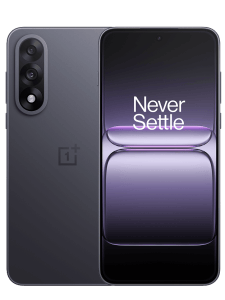
 | AMOLED, 144Hz |
 | Snapdragon 8s Gen 3 (4 nm) 8/256GB, UFS 3.1 |
 | 50 MP, f/1.8, (wide), OIS 8 MP, f/2.2, (ultrawide) |
 | 6800 mAh 80W wired, 18W PD |
The OnePlus Nord 5 is easily one of the most well-rounded smartphones you can get around the ₹30,000 mark. While its official pricing is slightly above ₹30K, it’s frequently available at around ₹30,000 with bank offers and discounts—making it a strong value pick.
What makes the Nord 5 stand out is its balanced overall performance. It is powered by the Snapdragon 8s Gen 3, which delivers excellent performance for everyday use and gaming, putting it ahead of most phones in this segment.
Battery life is another strong point. With a large 6800 mAh battery, the phone comfortably lasts a full day, and the 80W fast charging ensures you can quickly top up when needed.
In terms of features, the Nord 5 ticks almost every box. It includes NFC (rare in this segment), an IR blaster, stereo speakers, and Corning Gorilla Glass 7i protection, all of which contribute to a more premium experience. The phone also comes with a proper dual-camera setup, delivering good detail and reliable image quality in most conditions.
While it may not excel in one specific area, the Nord 5 nails the fundamentals across the board—making it a true all-rounder.
The closest contender would have been the Nothing Phone (4a), but with inconsistent availability and recent price increases pushing it above ₹30K, the Nord 5 currently stands out as one of the best overall picks in this segment.
2. Motorola Edge 60 Pro
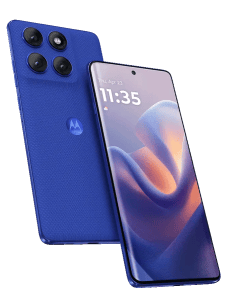
| P-OLED, 120Hz |
| MT Dimensity 8350 Extreme (4 nm) 8/256GB, UFS 4.0 |
| 50 MP, f/1.8, (wide), OIS 10 MP, f2.0, (telephoto), 3x optical zoom, OIS 50 MP, f/2.0, (ultrawide) |
| 6000 mAh 90W wired, PD3.0 |
The Motorola Edge 60 Pro is easily one of the strongest contenders in the ₹30,000 segment right now. Whether it’s reviews, comparisons, or “best phones” lists, this device consistently shows up—and for good reason.
It brings a true upper mid-range experience to this price range. You get a triple-camera setup with a dedicated telephoto lens, something that’s still rare under ₹30K. Alongside that, it includes premium features like NFC, stereo speakers, UFS 4.0 storage and Corning Gorilla Glass 7i protection, making it feel more complete than most competitors.
Powering the phone is the Dimensity 8350 Extreme, which delivers reliable performance for day-to-day use, multitasking, and even gaming. In real-world usage, the Edge 60 Pro performs smoothly and consistently.
The camera system is one of its biggest highlights, producing sharp, detailed, and visually appealing images. In fact, alongside options like the Realme 14 Pro+, it stands out as one of the best camera smartphones in this price segment.
Overall, the Edge 60 Pro is a genuinely well-rounded smartphone that excels in multiple areas without major compromises.
However, it’s worth keeping in mind that Motorola still lags behind competitors when it comes to timely software updates and after-sales service, with a relatively limited service network. These are important factors to consider if long-term support matters to you.
3. Realme GT 7T
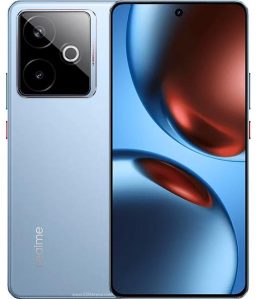
| AMOLED, 120Hz |
| MT Dimensity 8400 Max (4 nm) UFS 3.1 – 8/128GB UFS 4.0 – 8/256GB+ |
| 50 MP, f/1.8, (wide), OIS 8 MP, f/2.2, (ultrawide) |
| 7000 mAh 120W wired |
Another Realme entry on this list—the Realme GT 7T. At its core, this is a performance-focused smartphone, making it a great choice for gaming and heavy usage. It handles demanding tasks smoothly while still maintaining good day-to-day usability.
On the camera front, the GT 7T offers a decent and reliable setup that captures clear and detailed photos. While it may not match the camera performance of phones like the OnePlus Nord 5, vivo V50, or Realme 14 Pro+, it still delivers respectable results for most users.
In terms of features, the phone includes NFC and stereo speakers, which add to its overall value and usability. Pricing is also quite competitive, especially considering how most smartphones in this segment have seen price increases recently.
Overall, the realme GT 7T is best suited for users who want a gaming-oriented phone that doesn’t completely compromise on cameras or everyday usability. It strikes a good balance, and manages to deliver a fairly well-rounded experience.
4. vivo V50
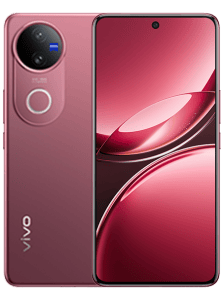
| AMOLED, 120Hz |
| Snapdragon 7 Gen 3 (4 nm) 8/128GB, UFS 2.2 |
| 50 MP, f/1.9, (wide), OIS 50 MP, f/2.0, (ultrawide) |
| 6000 mAh 90W wired, PD |
The vivo V50 is easily one of the best camera-centric smartphones under ₹30,000. In fact, it doesn’t just excel in photography—it also manages to be a well-rounded device that ticks most of the important boxes.
The highlight here is clearly the camera performance. The V50 captures sharp, detailed, and natural-looking photos, with strong portrait capabilities and reliable image processing. When compared to competitors like the Realme 14 Pro+, the V50 holds its ground quite well, with both phones being evenly matched in some scenarios.
Beyond cameras, the phone offers a solid overall experience. It includes stereo speakers, a large battery with fast charging, and a design that feels premium in hand. However, one notable downside is that the Indian variant lacks NFC, which may be a deal breaker for users who rely on contactless payments.
In everyday use, the phone performs reliably and delivers a balanced experience across the board. Overall, the vivo V50 is a great choice for users who prioritize cameras, while still wanting a phone that performs well in day-to-day usage.
5. Motorola Edge 70
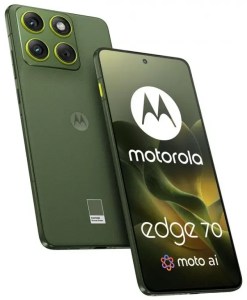
| P-OLED, 120Hz |
| Snapdragon 7 Gen 4 (4 nm) 8/256GB, UFS 3.1 |
| 50 MP, f/1.8, (wide), OIS 50 MP, f/2.0, (ultrawide) |
| 5000 mAh 68W wired |
The Motorola Edge 70 stands out as one of the slimmest and lightest smartphones in this price range—without making the usual compromises that often come with such designs.
Despite its sleek form factor, the phone still delivers solid battery life, comfortably lasting a full day. This balance between design and endurance is something many slim phones struggle to achieve.
As expected from Motorola’s Edge series, the camera performance is reliable. While it may not be the best in its class, it delivers good, decent photos — sometimes a bit saturated — but more than sufficient for everyday use.
In terms of features, the Edge 70 checks most of the important boxes. It includes NFC, Corning Gorilla Glass 7i protection, UFS 3.1 storage, stereo speakers and fast charging, making it a well-rounded package with very few real compromises.
Overall, the Motorola Edge 70 is ideal for users who want a lightweight, premium-feeling smartphone that still delivers a balanced experience across performance, battery life, and everyday usability.
6(a). Realme 15 Pro
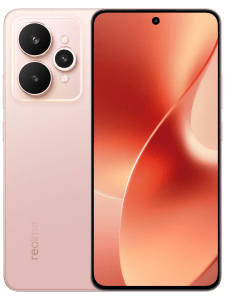
| OLED, 144Hz |
| Snapdragon 7 Gen 4 (4 nm) 8/128GB, UFS 3.1 |
| 50 MP, f/1.8, (wide), OIS 50 MP, f/2.0, (ultrawide) |
| 7000 mAh 80W wired |
The Realme 15 Pro is another camera-focused device that also manages to deliver a decent all-round experience. However, unlike the top picks in this list, it sits more firmly in the true mid-range category, with relatively modest specifications.
It does miss out on some premium features. There’s no triple-camera setup and no NFC support, which may matter to some users.
Powered by the Snapdragon 7 Gen 4, the 15 Pro performs reliably in day-to-day tasks, including social media, multitasking, and light gaming. The cameras are also decent and consistent, producing good-looking images in most conditions, even if they don’t compete with the above mentioned phones in this list.
This phone also reflects a broader trend in mid 2025-2026, where newer launches in the ₹30K segment are no longer as aggressively specced as earlier generations, which is why this price range now feels more like a true “mid-range” category.
Overall, the Realme 15 Pro is a simple, dependable choice. It may not stand out in any particular area, but it gets the basics right and serves well as a balanced mid-range smartphone for everyday use.
By the way, don’t be surprised to see multiple Realme phones on this list. One of realme’s biggest strengths right now is availability—many of its models are still easily available both online and offline, which isn’t always the case with other brands in this segment.
6(b). Realme P4 Pro
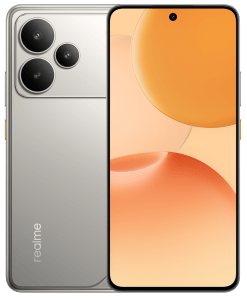
| AMOLED, 144Hz |
| Snapdragon 7 Gen 4 (4 nm) 8/128GB, UFS 3.1 |
| 50 MP, f/1.8, (wide), OIS 8 MP, f/2.2, (ultrawide) |
| 7000 mAh 80W wired |
I won’t go too deep into the Realme P4 Pro, as it is quite similar to the Realme 15 Pro in many ways. However, there are a few key differences worth highlighting.
Starting with the battery, the P4 Pro uses a Silicon-Carbon (Si/C) battery, which can offer better efficiency and longevity compared to the traditional Li-ion battery found in the 15 Pro. It also features an AMOLED display, giving it a slight edge in display quality.
Another advantage of the P4 Pro is that it supports more Bluetooth codecs like aptX HD and LHDC 5, which can be beneficial for users who care about higher-quality wireless audio.
In terms of cameras, the main difference lies in the ultra-wide sensor. While the Realme 15 Pro offers a 50MP ultra-wide lens, the P4 Pro uses an 8MP ultra-wide camera. Despite this, the overall camera performance remains decent, and for most users, it still delivers good and reliable results.
There are also some trade-offs in build quality. The P4 Pro comes with a plastic frame, whereas the 15 Pro offers a more premium aluminum frame, which may matter to users who prioritize in-hand feel and durability.
Overall, the Realme P4 Pro is very similar to the 15 Pro but makes a few different trade-offs. It’s still a capable mid-range option, especially if you value battery tech and audio codec support over build and ultra-wide camera performance.
Honorable Mentions:
7. Nothing Phone (4a)
If you’re getting the Nothing Phone (4a) for around ₹32,000 after discounts, just buy it. Don’t overthink it.
8. Realme 16 Pro
The Realme 16 Pro is a good mid range smartphone, but is certainly over priced!
9. Realme 14 Pro+
The Realme 14 Pro+ is one of the few phones in this segment to offer a proper triple-camera setup, making it a strong choice for camera-focused users. That said, it doesn’t quite match the value offered by the Moto Edge 60 Pro, which delivers a better overall package for the price.
Originally it was positioned closer to the ₹25K segment, but recent price changes have pushed it into the ₹30K range. However, if you can get it for less than the Moto Edge 60 Pro, it’s still a solid pick — especially if your priority is camera performance.
10. Samsung Galaxy A37
The Samsung Galaxy A37 is currently priced too high at ₹37K. However, if it drops to around ₹30K during sales, it becomes a good option — especially if you specifically want a Samsung device. It offers a decent overall experience and the cameras on this phone are good, just not the best in the segment.





Leave a Reply