
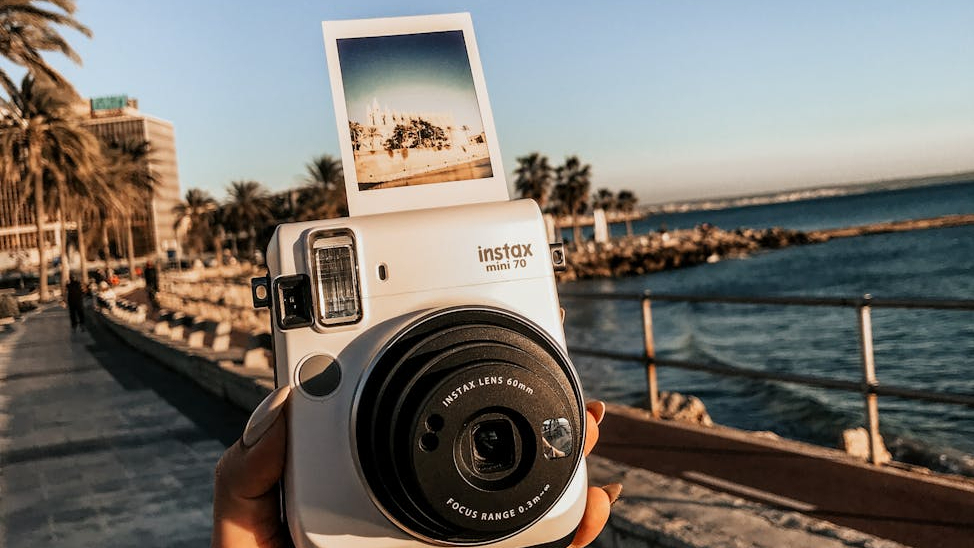
Instant cameras bring back the charm of analog photography while offering a unique way to capture memories in real-time. Whether you’re a casual user, a photography enthusiast, or looking for a fun gift, there’s an instant camera for everyone. Here are the best instant cameras you can buy in 2025.
Things to note:
- Traditional Analog Instant Cameras print physical photos immediately after they are taken.
- Hybrid Instant Cameras allow you to preview photos before printing, saving film costs and ensuring you get the perfect shot.
- Some Hybrid Instant Cameras even allow you to print photos directly from your phone’s camera album.
- When developing instant camera film, do not shake the photo while it’s developing, or expose it to direct sunlight. Place the photo on a flat surface in a shaded area to allow for proper development.
In This Article:
Best for Most People

1. Fujifilm Instax Mini 12
The Instax Mini 12 is perfect for those new to instant photography. It has a simple operation, comes in fun colors, and uses widely available Instax Mini film. It’s a basic instant camera that’s similar to the former, Instax Mini 11, but with some minor updates.
Like most instant cameras, it struggles in low-light conditions, though the built-in flash provides some assistance. But if your main goal is to simply press a button and get a decent print at an affordable price, the Fujifilm Instax Mini 12 is a solid recommendation.
| Storage: | N/A |
| Filter: | RGB Color Filter |
| Film Type: | Fujifilm Instax Mini |
| Developing Time: | Approx. 90 seconds |
| Film Cost: | Approx. ₹65 (Per Sheet) |
Similarly, for an additional Rs. 2,000, you can opt for the Instax Mini 40, which offers a more elegant retro design—unlike the Mini 12, which some might describe as having a playful, goofy look.
Best for Square Prints

1. Fujifilm Instax Square SQ1
The Instax Square SQ1 offers a perfect balance between compact design and large square prints, great for scrapbook lovers and those who want more prominent instant photos. Like the Mini 12, the Instax Square SQ1 produces good-quality shots, is easy to set up and use, and comes with a built-in selfie mirror.
| Storage: | N/A |
| Filter: | RGB Color Filter |
| Film Type: | Fujifilm Instax Square |
| Developing Time: | Approx. 90 seconds |
| Film Cost: | Approx. ₹75 (Per Sheet) |
Fujifilm also sells the newer Instax Square SQ40. It’s similar to the Instax Square SQ1 but with a vintage look that’s more visually striking, but it’s more expensive. Given it produces similarly good-quality photos and rarely goes on sale, I’d recommend the Instax Square SQ1.
Best for Large Prints
1. Fujifilm Instax Wide 400
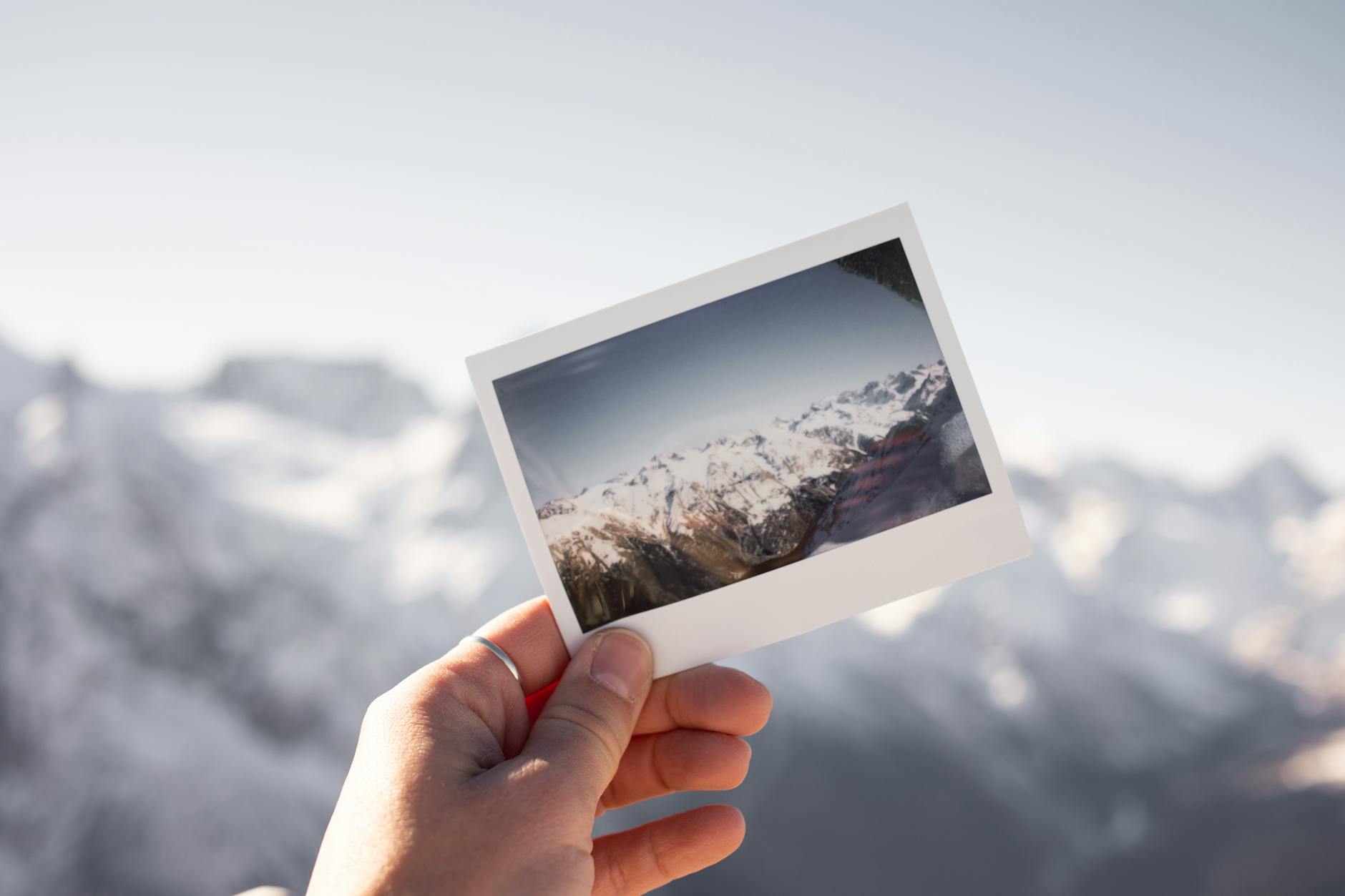
The Instax Wide 400 is ideal for those who want larger instant prints compared to the standard Instax Mini and Square formats. It’s great for group shots and capturing more details in every frame.
| Storage: | N/A |
| Filter: | RGB Color Filter |
| Film Type: | Fujifilm Instax Wide |
| Developing Time: | Approx. 90 seconds |
| Film Cost: | Approx. ₹90 (Per Sheet) |
Best for Creative Shooters
1. Fujifilm Instax Mini 99
If you love vintage-style Polaroids and want more creative control, the Instax Mini 99 offers manual settings, making it ideal for artistic photography. Fujifilm’s latest instant camera is not as affordable as the Instax Mini 12, but it’s certainly a step up from the one-button point-and-click camera given it has multiple brightness settings, focus zones, color effects, and even two shutter buttons for greater creative control.
Thanks to the added level of customization, one is able to capture higher-quality photos that looked truer to life than those from the Instax Mini 12 and Mini Evo. Granted, the Mini 99 is an analog camera and not a hybrid like the higher-priced Mini Evo, meaning you shouldn’t buy it if you also want to print smartphone photos. The new model also isn’t as simple to use as the Mini 12, so I wouldn’t recommend it for young children or teens. Still, for an advanced analog instant camera, it’s relatively easy to set up and use, rendering it as much fun for budding photographers.
| Storage: | N/A |
| Filter: | RGB Color Filter |
| Film Type: | Fujifilm Instax Mini |
| Developing Time: | Approx. 90 seconds |
| Film Cost: | Approx. ₹65 (Per Sheet) |
Premium Picks
1. Leica SOFORT 2
The Leica Sofort 2 is a stylish and high-end hybrid instant camera that blends classic instant photography with digital convenience. It allows users to store images digitally before choosing which to print, making it a great choice for those who want flexibility without compromising on premium image quality.
| Storage: | Internal memory (approx. 45 images), microSD/microSDHC card Support |
| Filter: | RGB Color Filter |
| Film Type: | Fujifilm Instax Mini |
| Developing Time: | Approx. 90 seconds |
| Film Cost: | Approx. ₹65 (Per Sheet) |
2. Fujifilm Instax Mini Evo
The Fujifilm Instax Mini Evo offers a unique blend of digital and analog photography with customizable effects, making it a great option for those who enjoy creative instant photography. Unlike Fujifilm’s Instax Mini 12, the Mini Evo comes with a few extra features that can help you capture better photos. For example, you can also use the menu to adjust how bright you want the film to look when it’s printed out, which was helpful given the Mini 12 is not particularly great at capturing dark environments.
Another thing to note is that the photo quality is remarkably similar to the Leica Sofort 2. From tests, the photos taken with both looks identical. Not only that, the Evo costs only half the price of the Leica Sofort 2, making the Instax Mini Evo a much more affordable option.
| Storage: | Internal memory (approx. 45 images), microSD/microSDHC card Support |
| Filter: | RGB Color Filter |
| Film Type: | Fujifilm Instax Mini |
| Developing Time: | Approx. 90 seconds |
| Film Cost: | Approx. ₹65 (Per Sheet) |
3. Instax WIDE Evo
Fujifilm’s forthcoming Instax Wide Evo Hybrid is nearly identical to the Instax Mini Evo. You can use it to print photos directly from your smartphone, though it also comes with a 15.67mm lens — the widest used on any Instax camera — for taking wide-format pictures.
| Storage: | Internal memory (approx. 45 images), microSD/microSDHC card Support |
| Filter: | RGB Color Filter |
| Film Type: | Fujifilm Instax Wide |
| Developing Time: | Approx. 90 seconds |
| Film Cost: | Approx. ₹90 (Per Sheet) |
One’s to Avoid
A. Polaroid Instant Camera’s
Polaroid instant cameras have their nostalgic appeal, but there are several reasons why they might not be the best recommendation:
- Polaroid film is significantly more expensive than Instax film, with each print costing around Rs. 125–200 per shot.
- Unlike Fujifilm Instax cameras, which develop prints in under 90 seconds, Polaroid photos take 10–15 minutes to fully develop.
- Polaroid cameras often produce soft, inconsistent images with unpredictable exposures. Colors can be washed out, and focus can be hit-or-miss, especially in low-light conditions.
- Unused film needs to be kept in the refrigerator, and before using it, you must let it sit at room temperature for at least an hour. Additionally, the film has a limited shelf life of 12 months from the production date.
B. Kodak Instant Camera’s
Kodak instant cameras might appear to be an affordable option, but there are two key reasons why they may not be the best choice. First, the image quality is merely average. More importantly, unlike Fujifilm Instax film, which is readily available, Kodak film cartridge can be harder to find, making it less convenient for users who need frequent refills.



Leave a Reply