
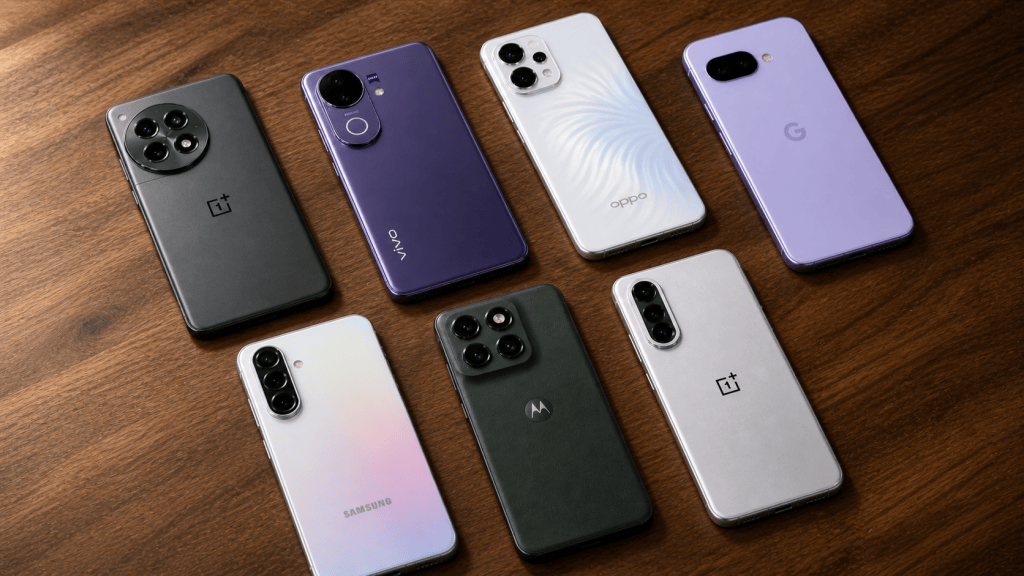
In 2026, the smartphone market under ₹40,000 has evolved into one of the most competitive and value-packed segments. What was once considered a premium price bracket is now filled with upper mid-range smartphones that deliver a near-premium experience.
Just a few years ago, ₹40,000 would get you true flagship-killer devices with top-tier cameras, performance, and build quality. However, with rising component costs and ongoing supply chain challenges, most premium smartphones have now moved closer to the ₹50K mark.
As a result, the ₹40,000 segment has transformed into a new category of “premium mid-range” smartphones. Brands are now offering devices that excel in performance, camera quality, software experience, and reliability — surpassing what sub-30K phones used to deliver.
This segment has also become significantly more crowded. Compared to 2–3 years ago, buyers now have far more options, as many upper mid-range devices have shifted into this price bracket. While some older favorites have moved up in price or disappeared from the market.
In this guide, I’ve handpicked the best well-rounded smartphones under ₹40,000 that strike the right balance between performance, design, camera capabilities, battery life, and long-term usability—helping you choose the right device without compromise.
Selection Criteria:
- Focused on smartphones launched in 2025 and later.
- Also considered select Samsung and Google devices from 2024 due to their strong long-term software support.
- Required a good quality AMOLED/OLED display, and min 120Hz refresh rate.
- At least a dual-camera setup, with an ultra-wide or telephoto lens for versatility.
- Avoided phones with relatively weak processors for this price range (e.g. mid-range chipsets like Dimensity 7300 class).
- Focus was also placed on practical premium features such as NFC support, an IP rating, stereo speakers and fast charging capabilities.
Note: The smartphones listed below are not ranked in any particular order. The buy links provided will direct you to authorized sellers.
1. OnePlus 13R
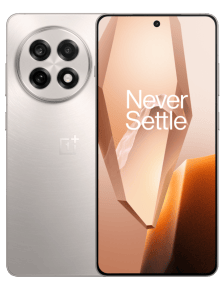
 | LTPO AMOLED, 120Hz |
 | Snapdragon 8 Gen 3 (4 nm) 12/256GB, UFS 4.0 |
 | 50 MP, f/1.8, (wide), OIS 50 MP, f/2.0, (telephoto), 2x optical zoom 8 MP, f/2.2, (ultrawide) |
 | 6000 mAh 80W wired |
The OnePlus 13R stands out as one of OnePlus’s best-selling smartphones, and for good reason—it delivers a well-rounded flagship-like experience at a competitive price.
One of its biggest strengths is the balanced camera system, featuring a proper triple-camera setup that captures photos with impressive detail, natural colors, and reliable consistency across different lighting conditions.
Beyond the cameras, the 13R checks almost every box you’d expect from a premium device. It offers stereo speakers for an immersive media experience, durable Corning Gorilla Glass 7i protection, and practical additions like NFC for contactless payments and an IR blaster for controlling appliances.
Overall, the OnePlus 13R is an excellent choice for anyone looking for a true all-rounder and a phone that performs well across performance, camera, design, and everyday usability without major compromises.
2. vivo V60
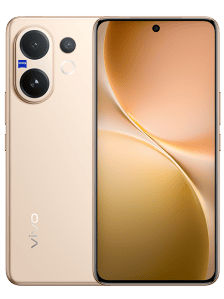
| AMOLED, 120Hz |
| Snapdragon 7 Gen 4 (4 nm) 8/128GB, UFS 2.2 |
| 50 MP, f/1.9, (wide), OIS 50 MP, f/2.7, (periscope telephoto), OIS, 3x optical zoom 8 MP, f/2.0, (ultrawide) |
| 6500 mAh 90W wired, PD |
In the offline market, vivo’s V series has consistently been a strong performer, and the vivo V60 continues that trend. It stands out as one of the best camera-focused smartphones in this price segment.
The highlight here is its camera system, enhanced by vivo’s collaboration with Zeiss optics. This results in excellent portrait shots with precise edge detection, natural background blur, and pleasing skin tones. Colors are well-balanced and true-to-life, making it a great choice for users who prioritize photography. In fact, if camera quality is your top priority, the V60 easily becomes one of the most compelling options under ₹40,000.
Looking beyond the cameras, the V60 still holds its ground as a solid all-rounder. It offers useful features like NFC for contactless payments and an IR blaster, adding to everyday convenience. Battery life is also dependable, comfortably lasting a full day with moderate usage.
Overall, while the vivo V60 shines brightest in the camera department, it still delivers a well-balanced overall experience, making it a strong contender in the premium mid-range segment.
3. Oppo Reno 14

| AMOLED, 120Hz |
| MT Dimensity 8350 (4 nm) 8/256GB, UFS 3.1 |
| 50 MP, f/1.8, (wide), OIS 50 MP, f/2.8, (telephoto), OIS, 3.5x optical zoom 8 MP, f/2.2, 15mm, (ultrawide) |
| 6000 mAh 80W wired, 13.5W PD |
The Reno series hasn’t always had the best reputation—earlier models were often seen as overpriced with underwhelming performance. However, over the past few generations, Oppo has made noticeable improvements, especially in the SoC (processor) department.
With the Reno 14, performance is now much more balanced. While the chipset may not be the most powerful for its price, it’s far from weak—it delivers a smooth and reliable day-to-day experience, striking a decent balance between performance and usability.
Where Oppo continues to stand out is in software and user experience. The UI feels polished, fluid, and relatively clean—arguably more refined than what you get on some competing skins like realme UI.
On the hardware side, the Reno 14 features a capable triple-camera setup that captures sharp and vibrant images. While it may not match the level of the vivo V60 in terms of camera processing, it still delivers consistently good results for most users. It also includes practical features like NFC and an IR blaster, which add to its everyday versatility.
Yes, the Reno 14 does feel slightly overpriced on paper, but Oppo’s strong after-sales service network and reliability help justify that premium to some extent—putting it closer to brands like Samsung in terms of overall ownership experience.
Overall, the Reno 14 is a well-rounded and dependable smartphone, especially for users who value design, software experience, and service support over raw performance.
4. Google Pixel 9a

| P-OLED, 120Hz |
| Google Tensor G4 (4 nm) 8/128GB, UFS 3.1 |
| 48 MP, f/1.7, (wide), OIS 13 MP, f/2.2, (ultrawide) |
| 5100 mAh 23W wired, PD3.0 |
The Google Pixel 9a stands out as one of the best camera smartphones under ₹40,000, thanks to Google’s industry-leading image processing. Pixel phones have long been known for delivering exceptional photos through software, and the 9a continues that legacy with impressive consistency, dynamic range, and natural-looking colors.
Portrait shots, low-light photography, and HDR performance are where the Pixel truly shines. Google’s computational photography ensures you get reliable results in almost any scenario—often outperforming competitors even with simpler hardware.
Being a Pixel device, it also comes packed with Pixel AI features, such as:
- Magic Eraser (remove unwanted objects from photos)
- Best Take (merge the best expressions in group shots)
- Photo Unblur (fix slightly blurry images)
That said, the Pixel 9a isn’t trying to be the most powerful or feature-packed phone in this list. In terms of raw performance, battery, and hardware, it’s good—but not exceptional compared to some competitors.
However, where it excels is in its clean, minimal Android experience, free from bloatware, along with fast updates directly from Google.
It may not be the most well-rounded option here, but if camera quality and software experience matter most, the Pixel 9a remains a top-tier choice in this segment.
5. vivo T4 Ultra
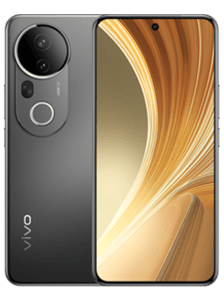
| AMOLED, 120Hz |
| MT Dimensity 9300+ (4 nm) 8/256GB, UFS 3.1 |
| 50 MP, f/1.9, (wide), OIS 50 MP, f/2.6, (periscope telephoto), OIS, 3x optical zoom 8 MP, f/2.2, (ultrawide) |
| 5500 mAh 90W wired, PD |
The vivo T4 Ultra might just be the most underrated smartphone in this segment. It doesn’t get as much attention as some of the bigger names, but it quietly delivers a strong all-rounder experience.
In terms of performance, the T4 Ultra holds up well for everyday usage, multitasking, and even moderate gaming. It strikes a solid balance between power and efficiency, making it reliable for long-term use.
Where it really stands out, however, is in its design and camera performance. The phone feels premium in hand, with a sleek finish that gives it a more flagship-like appeal. The cameras are also impressive, capturing detailed and vibrant shots that make it a strong competitor in this price range.
Overall, the vivo T4 Ultra is a well-balanced and often a overlooked option, but is ideal for users who want a mix of good performance, stylish design, and capable cameras without going for more mainstream choices.
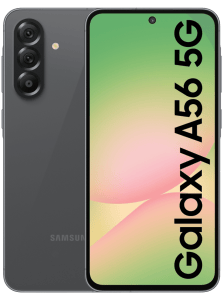
6. Samsung Galaxy A56
| Super AMOLED, 120Hz |
| Exynos 1580 (4 nm) 8/128GB, UFS 3.1 |
| 50 MP, f/1.8, (wide), OIS 12 MP, f/2.2, (ultrawide) |
| 5000 mAh 45W wired |
Samsung’s A-series has traditionally been a safe choice for users who want a reliable Samsung smartphone without stepping into flagship pricing. However, in recent years, pricing across the lineup has crept up, and the Galaxy A56 is no exception.
On paper, the Galaxy A56 can feel slightly overpriced for its specifications, especially when compared to some aggressively priced competitors in this segment. That said, broader market factors—like rising component costs and supply chain constraints—have pushed prices up across the board. In that context, Samsung hasn’t increased prices as aggressively as some other brands, and in certain cases, you can even find the A56 at more reasonable prices through discounts.
At around ₹40–42K, the Galaxy A56 delivers a dependable overall experience. The cameras are consistent and reliable, the build quality is solid, and the display meets expectations for a phone in this range. While it may not offer any standout hardware features, it avoids major weaknesses as well.
The biggest strength of the A56 is Samsung’s One UI. It remains one of the most feature-rich yet polished Android skins, offering a good balance between customization and usability. Combined with Samsung’s strong update policy and service network, it adds long-term value to the device.
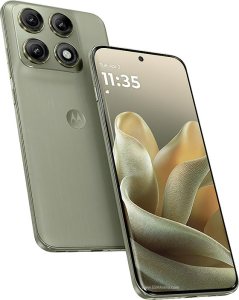
7. Motorola Edge 70 Pro
| AMOLED, 144Hz |
| MT Dimensity 8500 Extreme (4 nm) 8/256GB, UFS 4.1 |
| 50 MP, f/1.8, (wide), OIS 50 MP, f/2.0, (ultrawide) |
| 6500 mAh 90W wired, PD3.0 |
The Motorola Edge 70 Pro is the successor to one of the most popular sub-₹30K smartphones—the Edge 60 Pro. While it brings some improvements, it also comes with a notable trade-off.
Compared to its predecessor, the Edge 70 Pro drops the telephoto lens, moving from a triple-camera setup to a dual-camera system. However, in real-world usage, this doesn’t make a massive difference for most users, as both phones share the same 50MP main sensor and ultra-wide lens, resulting in very similar image quality.
In terms of upgrades, the Edge 70 Pro improves in several key areas. It features a larger battery and a slightly more powerful processor for improved performance. The phone also retains important premium features, such as Corning Gorilla Glass 7i protection, stereo speakers, and IP68/IP69 dust and water resistance.
In day-to-day usage, the Edge 70 Pro delivers a true all-rounder experience. It handles multitasking, gaming, and media consumption with ease.
However, there are still a couple of areas where Motorola lags behind the competition. Software updates can be slower or less consistent, and the service network is not as extensive as other brands, with many service centers being handled by third-party providers. These factors can be important for users who prioritize long-term support and easy service access.
That said, the Edge 70 Pro is a refined upgrade. While the removal of the telephoto lens may disappoint some users, it still delivers a solid all-around experience for those looking for a clean software experience and reliable hardware.






Leave a Reply